


Understanding Hair Loss in Locs and Natural Hair: Causes, Treatments, and Care
Updated: Feb 4
Hair loss is a common concern affecting millions worldwide, transcending gender and age. While often perceived as a cosmetic issue, it can significantly impact self-esteem and quality of life. Understanding the various types of hair loss, their underlying causes, and available treatments in locs and natural hair is the first step towards managing this condition. Furthermore, adopting proactive hair care routines can help maintain healthy hair as we age.
The Science of Strands: What is Hair Loss?
Hair loss, medically known as alopecia, refers to a disruption in the natural hair growth cycle in locs and natural hair. On average, we shed 50 to 100 hairs daily, which is normal as new hairs replace them. True hair loss occurs when shedding significantly increases, or new hair growth diminishes, leading to noticeable thinning or bald spots.
Common Types of Hair Loss, Causes, and Treatments in Locs and Natural Hair
1. Androgenetic Alopecia (Pattern Hair Loss)
This is the most common type of hair loss, affecting both men and women.
Causes: Primarily genetic, it's influenced by hormones called androgens. In genetically susceptible individuals, dihydrotestosterone (DHT), a potent androgen, shrinks hair follicles, leading to shorter, finer hair, and eventually, cessation of growth.
- Men: Often begins with a receding hairline and thinning at the crown, progressing to a horseshoe pattern.
- Women: Typically presents as diffuse thinning over the crown, with the frontal hairline usually preserved.
Treatments:
- Minoxidil (Rogaine): An over-the-counter topical solution that can stimulate hair growth and slow down hair loss.
- Finasteride (Propecia): A prescription oral medication for men that blocks the production of DHT.
- Platelet-Rich Plasma (PRP) Therapy: Involves injecting a concentration of a patient's own platelets into the scalp to stimulate hair growth.
- Hair Transplant: A surgical procedure to move hair follicles from a dense area to thinning or balding areas.
2. Telogen Effluvium (Stress-Induced Shedding)
Causes: This type of temporary hair loss occurs when a significant number of hair follicles prematurely enter the resting phase (telogen) due to a major stressor. This leads to increased shedding a few months after the event. Common triggers include:
- Severe emotional or physical stress (e.g., surgery, childbirth, illness, significant life changes).
- High fever.
- Certain medications.
- Nutritional deficiencies (e.g., iron, zinc, biotin).
- Crash dieting.
Treatments: Often resolves on its own once the underlying stressor is removed or managed. Focusing on stress reduction, a balanced diet, and addressing any nutritional deficiencies can aid recovery. In some cases, supplements (iron, zinc, biotin) may be recommended under medical supervision.
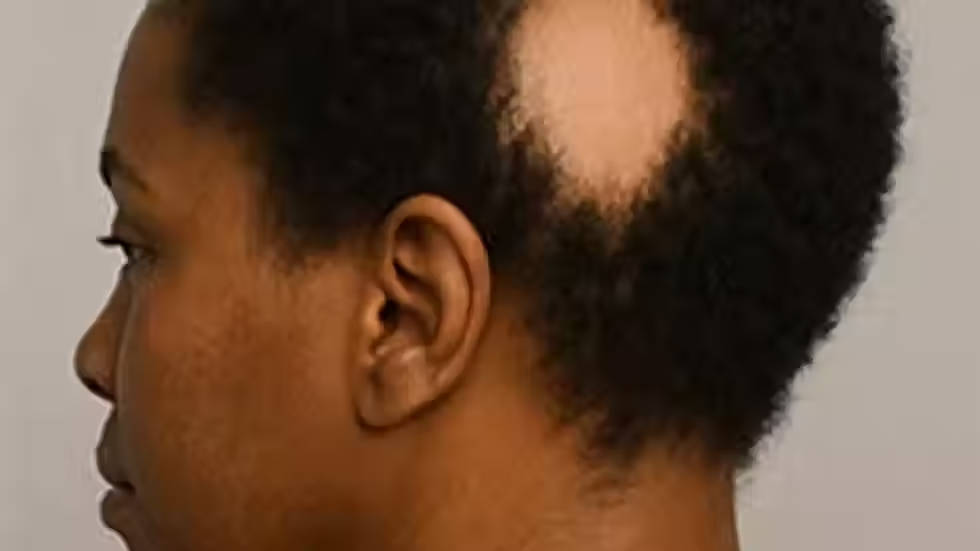
3. Alopecia Areata (Autoimmune Hair Loss)
Causes: An autoimmune condition where the body's immune system mistakenly attacks healthy hair follicles, leading to sudden, patchy hair loss. It can affect the scalp, beard, or any hair-bearing area. The exact trigger is unknown but can be associated with stress or other autoimmune conditions.
Treatments:
- Corticosteroids: Injections directly into the affected areas are common, or topical creams/ointments.
- Topical Immunotherapy: Applying chemicals to the scalp to induce an allergic reaction, which can stimulate hair growth.
- Oral Medications: In more severe cases, oral corticosteroids or other immunosuppressants may be prescribed.
- Stress Management: While not a direct treatment, managing stress can help prevent flare-ups.
- Spontaneous regrowth is also possible.
4. Traction Alopecia (Hair Loss from Styling)
Causes: This type of hair loss is caused by repetitive or prolonged tension on the hair follicles, often due to tight hairstyles like braids, ponytails, dreadlocks, or extensions. It's common among individuals who wear these styles frequently.
Treatments: The primary treatment is to stop wearing tight hairstyles and allow the follicles to recover. If caught early, hair often regrows. In chronic cases, the damage to the follicles can be permanent, requiring hair transplant for restoration.
5. Other Causes of Hair Loss
Thyroid Disorders: Both an overactive and underactive thyroid can lead to hair thinning.
Nutritional Deficiencies: Lack of essential vitamins and minerals like iron, vitamin D, and B vitamins can impact hair health.
Medications: Certain drugs, including chemotherapy agents, blood thinners, and some antidepressants, can cause hair loss as a side effect.
Scalp Conditions: Fungal infections (tinea capitis), psoriasis, or seborrheic dermatitis can cause inflammation and hair loss.
Hormonal Changes: Pregnancy, menopause, and polycystic ovary syndrome (PCOS) can trigger temporary or permanent hair loss.
Maintaining Healthy Hair as We Age: General Tips for Men and Women
As we get older, hair naturally becomes finer, drier, and more susceptible to damage. However, adopting a mindful approach to hair care can significantly slow down these changes and promote overall hair health.
For Both Men and Women:
Balanced Diet: Fuel your follicles from within. Consume a diet rich in protein (for hair structure), iron (prevents anemia-related loss), zinc, biotin, and vitamins A, C, and E (antioxidants). Think leafy greens, lean meats, nuts, seeds, and berries.
Hydration: Drink plenty of water to keep your scalp and hair hydrated.
Gentle Hair Care:
- Use sulfate-free shampoos and conditioners to avoid stripping natural oils.
- Avoid excessive heat styling (blow dryers, straighteners, curling irons). If used, always apply a heat protectant.
- Brush hair gently, especially when wet, using a wide-tooth comb.
- Limit tight hairstyles that pull on the roots.
Scalp Health: A healthy scalp is crucial for healthy hair growth.
- Massage your scalp regularly to stimulate blood circulation.
- Consider scalp treatments or serums if you experience dryness, flakiness, or excess oil.
Stress Management: Chronic stress can disrupt the hair growth cycle. Incorporate stress-reducing activities like yoga, meditation, exercise, or hobbies into your routine.
Protect from Environmental Damage: Shield your hair from harsh sun exposure, chlorine, and pollution. Wear a hat outdoors, especially during peak UV hours.
Regular Trims: Trim split ends regularly to prevent further damage and promote healthy growth.
Consult a Professional: If you notice significant or sudden hair loss, consult a dermatologist or a trichologist. They can diagnose the underlying cause and recommend personalised treatment plans.
Hair Loss in the Locs Community: Specific Causes, Prevention, and Care
While the fundamental types and causes of hair loss apply universally, individuals with locs often experience unique challenges and considerations. Understanding these specifics is key to maintaining healthy locs and a healthy scalp for life.
1. Traction Alopecia: A Major Concern for Loc Wearers

What it is: As previously mentioned, Traction Alopecia is caused by consistent pulling force on hair follicles. For the locs community, this is particularly relevant.
Causes specific to locs:
- Overly tight re-twisting/re-tightening: Pulling locs too tight at the root, especially during the early stages or when trying to achieve a "neat" look.
- Heavy locs: As locs grow longer and denser, their weight can exert significant pull on the roots, especially around the temples and hairline.
- Tight updos or ponytails: Styling locs into high, taut buns, ponytails, or other updos that create constant tension.
- Braiding locs too tightly: Creating secondary styles (like cornrows or flat twists) with locs that are excessively tight.
- Excessive pulling or twisting: Habitual pulling or twisting on individual locs.
Signs to look for: Small bumps or pimples along the hairline (folliculitis), redness, tenderness, gradual thinning, or a receding hairline, particularly at the temples and around the ears.
Prevention & Treatment in Locs:
- Prioritize loose styles: Opt for looser updos and avoid styles that cause any discomfort or pulling sensation.
- Gentle re-twisting/re-tightening: Insist on gentle techniques. A slight bit of frizz at the root is preferable to permanent hair loss. For interlocked locs, ensure the technique isn't overly aggressive.
- Lighten heavy locs: Consult with your loctician about strategies if your locs are becoming too heavy. This might involve thinning out certain areas (if appropriate for your loc type) or cutting them to a shorter length.
- Regular scalp massages: Promote blood circulation to the follicles.
- Take breaks from styling: Allow your scalp and hairline to relax between re-tightenings or intense styles.
- Consult a specialist: If you notice consistent thinning or bald spots, seek advice from a dermatologist or trichologist who understands locs.
2. Scalp Health Under Locs: Preventing Fungal & Inflammatory Conditions
Locs, while protective, can sometimes create an environment where certain scalp conditions might thrive if not properly managed.
Causes specific to locs:
- Moisture buildup: Inadequate drying after washing can lead to mildew or fungal growth (e.g., tinea capitis), causing itching, flaking, and potentially hair loss.
- Product accumulation: Heavy oils, waxes, or unrinsed product can build up, clogging follicles and leading to inflammation (folliculitis) or dandruff.
- Poor airflow: Very dense locs can sometimes restrict airflow to the scalp, trapping heat and moisture.
Signs to look for: Persistent itching, unusual flaking, redness, tenderness, unpleasant odour, or actual patchy hair loss within the locs.
Prevention & Treatment in Locs:
- Regular, thorough cleansing: Wash your locs and scalp regularly with a residue-free shampoo.
- Proper drying: Ensure your locs and scalp are completely dry after washing. A hooded dryer or gentle blow-drying on a cool setting can be very helpful.
- Lightweight products: Opt for lightweight oils and water-based moisturisers that won't cause excessive buildup.
- Targeted scalp care: If you experience specific issues, use medicated shampoos or scalp treatments as recommended by a professional.
- Professional consultation: If you suspect a fungal infection or severe inflammation, see a dermatologist.
3. Androgenetic Alopecia & Telogen Effluvium in Locs

These types of hair loss are not caused by locs, but managing them while wearing locs requires specific considerations.
Androgenetic Alopecia (Pattern Hair Loss):
- Effect in Locs: Thinning may be less immediately visible within locs but can manifest as increasingly smaller locs in affected areas, wider parts, or a noticeably thinner density on the crown or hairline.
- Management: Topical treatments like Minoxidil can still be applied to the scalp between locs. Oral medications remain an option. Consulting a loctician experienced with thinning locs can help strategise parting and maintenance to minimise the appearance of thinning.
Telogen Effluvium (Stress-Induced Shedding):
- Effect in Locs: You might notice more shed hairs accumulating at the root of your locs, or locs feeling generally thinner. The shed hair doesn't fall out as easily as loose hair, so it can build up.
- Management: The focus remains on addressing the underlying stressor (diet, illness, stress). Gentle washing and ensuring thorough rinsing and drying are crucial to prevent any secondary scalp issues while the follicles recover.
Maintaining Healthy Locs for a Lifetime: Q2 Locs Parlour's Approach
At Q2 Locs Parlour, we believe that beautiful locs stem from a healthy scalp and proper care. Our 18+ years of experience in Harrow, North West London, means we understand the unique needs of loc wearers.
Gentle Expertise: Our locticians are trained in techniques that prioritise scalp health and prevent tension.
Personalised Consultations: We assess your hair and scalp to recommend the best maintenance routine and products for your specific needs.
Education: We empower our clients with the knowledge to care for their locs between salon visits, ensuring longevity and vitality.
By understanding the specific ways hair loss can manifest in locs and adopting preventive measures, you can enjoy your loc journey with confidence and a healthy head of hair. If you have concerns about hair loss or scalp health with your locs, don't hesitate to book a consultation with us at Q2 Locs Parlour Limited.
While hair loss can be a distressing experience, understanding its nuances and adopting proactive care can make a significant difference. Remember, early diagnosis and intervention often lead to better outcomes.


Comments