


Locs: History, Origins, and the Cultural Significance of Our Crown.
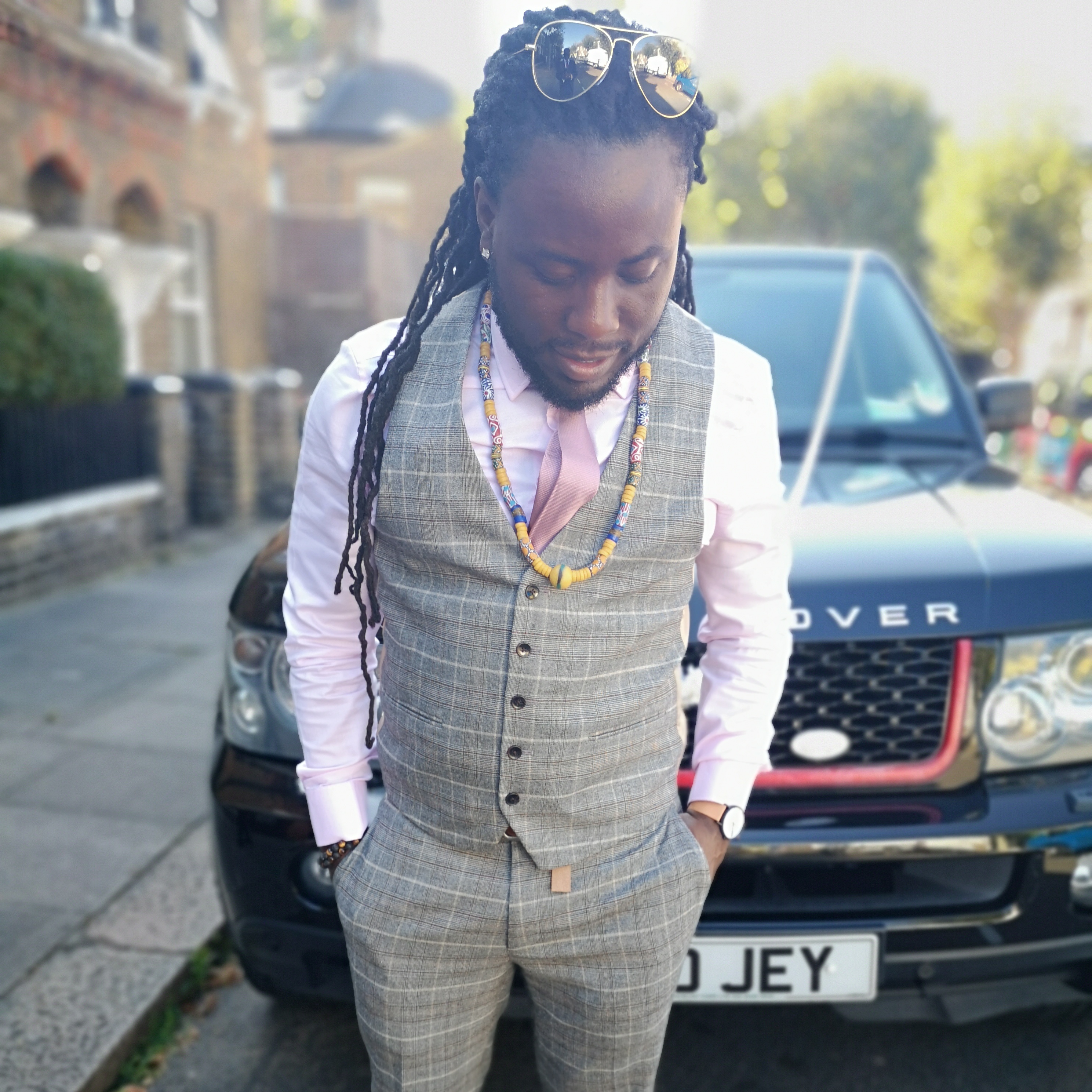
Updated: Aug 3
Locs are far more than a hairstyle. They carry thousands of years of history, deep spiritual symbolism, and powerful cultural meaning that connects people of African descent across continents and generations. Today, wearing locs is both a personal choice and a public statement of identity, pride, and resistance to narrow beauty standards. This post explores where locs come from, how they have been understood in different cultures, and why they remain such an important part of African and diasporic heritage today.
The Significance of Locs in Modern Society
Locs represent more than just a trend; they embody a rich tapestry of history and identity. As we navigate the complexities of modern life, understanding the significance of locs helps us appreciate their cultural weight. They are a celebration of individuality and a powerful statement against societal norms.
What Are Locs?
Locs are rope-like strands of hair formed when individual sections of hair coil, mat, and bind together over time. They can develop naturally with minimal manipulation or be intentionally cultivated using twisting, coiling, interlocking, braiding, or similar maintenance methods. Because locs are usually worn long-term and require ongoing care, they often carry a strong sense of commitment, identity, and personal journey. Many people now prefer the term “locs” because “dreadlocks” can carry negative historical connotations, even though the latter is also deeply connected to Rastafari spirituality.

History of Locs - Ancient Origins
Historical and archaeological evidence shows that loc-like hairstyles are ancient. Encyclopaedia Britannica notes that wig hair extensions resembling locs were found with mummified remains in ancient Egypt dating back as early as 3400 BCE. Loc-like hair traditions also appeared in other parts of Africa and beyond. Early Hindu references describe Shiva and his followers wearing jaṭā, or matted hair, associated with spiritual power and renunciation, while other ancient cultures also recorded rope-like or matted hairstyles.
African Cultural Meaning
In many African cultures, hair has never been just cosmetic. It has often carried spiritual, social, and communal meaning, expressing age, status, devotion, family ties, and connection to the divine. Among the Maasai of Kenya and Tanzania, locs have been associated with warrior identity, strength, and belonging. More broadly, African hair traditions have long communicated cultural identity through natural styling, braiding, twisting, and locking practices. Colonial systems disrupted many of these traditions by imposing European grooming standards and labelling natural African hair as unprofessional or uncivilised. That legacy still shapes present-day bias against locs in schools, workplaces, and public life.
Rastafari and Resistance
The modern term “dreadlocks” is closely associated with the Rastafari movement that emerged in Jamaica in the 1930s. In that context, “dread” referred to reverence for God and a spiritual seriousness, while locs became a visible symbol of devotion, African identity, and resistance to oppressive systems described as “Babylon.” Rastafarians also drew on biblical ideas such as the Nazarite vow and the story of Samson, as well as on Ethiopian symbolism connected to Emperor Haile Selassie I. Over time, reggae culture and global Black consciousness movements helped make locs an international symbol of liberation, spirituality, and cultural pride.
Locs in the Diaspora
Across the African diaspora, locs became part of a wider reclaiming of natural Black identity. During the twentieth century, especially through Black liberation and natural hair movements, locs stood alongside Afros and braids as a rejection of Eurocentric beauty standards. In the UK, Caribbean, and other diaspora communities, locs have grown into an important expression of heritage, self-acceptance, and community pride. They continue to represent both beauty and resilience, especially for people whose natural hair textures have historically been stigmatised.
Spiritual, Social, and Political Significance
Locs often carry spiritual meaning because they reflect patience, discipline, and a long-term journey of growth. For some wearers, locs are tied to faith and devotion; for others, they are a conscious expression of authenticity and connection to nature and ancestry. They also carry social and political meaning. Wearing locs can be an act of self-definition and cultural affirmation, especially in societies where Black hair has been heavily policed and judged. Ongoing discrimination around natural hair has led to public debate and legal efforts in some places to protect people from hair-based bias.
Reclaiming the Word “Locs”
Language matters when talking about natural hair. While some people still proudly use “dreadlocks” in honour of Rastafari history, many prefer “locs” because it removes negative associations and centres the beauty and dignity of the style. Using “locs” is, for many people, part of reclaiming the narrative around Black hair. It shifts the focus away from fear and stigma and back toward culture, identity, pride, and care.
Modern Locs
Today, locs can be worn in many forms, including freeform locs, traditional cultivated locs, microlocs, and highly styled sets. These variations reflect both ancestral traditions and modern creativity, giving wearers many ways to honour their hair while expressing personal style. Healthy locs still depend on proper maintenance, gentle handling, regular cleansing, and informed product use. That is why experienced locticians and natural hair specialists remain so important in helping clients build and maintain healthy locs over time.
Q2 Locs Parlour
At Q2 Locs Parlour, locs are more than a hairstyle—they are heritage, identity, and a living expression of culture carried across generations. Your salon already presents itself as a specialist in bespoke loc care, protective styling, and scalp wellness, which fits naturally with a blog post centred on healthy, meaningful loc care. We honour that history by caring for locs with respect, knowledge, and an appreciation for the traditions that made natural hair a symbol of beauty, strength, and self-definition. Whether someone is starting locs for the first time or maintaining a mature set, Q2 Locs Parlour can position itself as a place where expert hands meet cultural understanding.
Embracing Your Journey with Locs
As you embark on your loc journey, remember that it is a personal expression of who you are. Embrace the uniqueness of your hair and the stories it tells. Each loc represents a moment in your life, a testament to your growth and resilience.


Comments